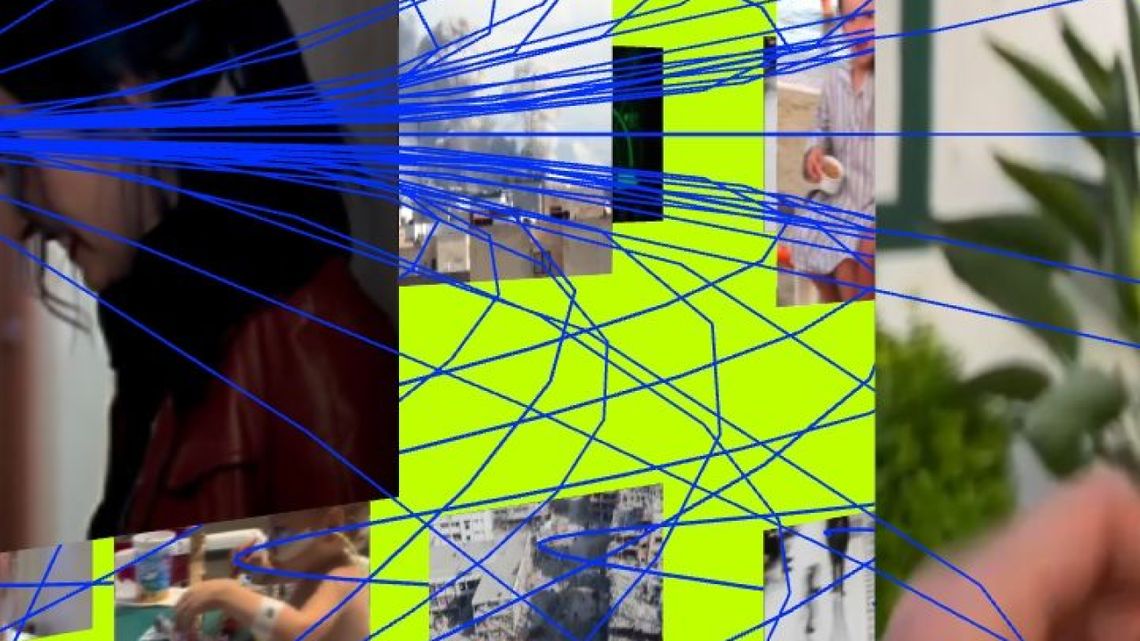
[A szöveg csak angol nyelven érhető el] Tear Model is an AV performance that explores
the possibility of artificial emotion through
the language of computation. Combining generative visuals, machine vision and live audiovisual processing, the work stages an experiment in which
an artificial entity is exposed to images historically associated with human grief, empathy and memory.
Rather than asking whether a machine can truly feel, the performance investigates how emotions can
be observed, measured and translated into data.
Each visual input becomes a set of parameters, probabilities and scores, suggesting that emotional experience may be understood not only as something lived, but also as something modeled.
At the same time, the work turns its gaze back
onto the audience. If an artificial intelligence
can learn to recognize the visual patterns of sadness, loss and suffering while humans increasingly overlook or become desensitized to them, what, then, defines our humanity? Is being human a matter of feeling,
of recognizing emotion in others,
or of choosing to respond to it?
Positioned between scientific speculation and poetic fiction, Tear Model does not attempt to prove that machines can experience emotions. Instead, it uses the possibility of artificial empathy to question our own: if emotions can be predicted, classified and simulated, what remains irreducibly human?